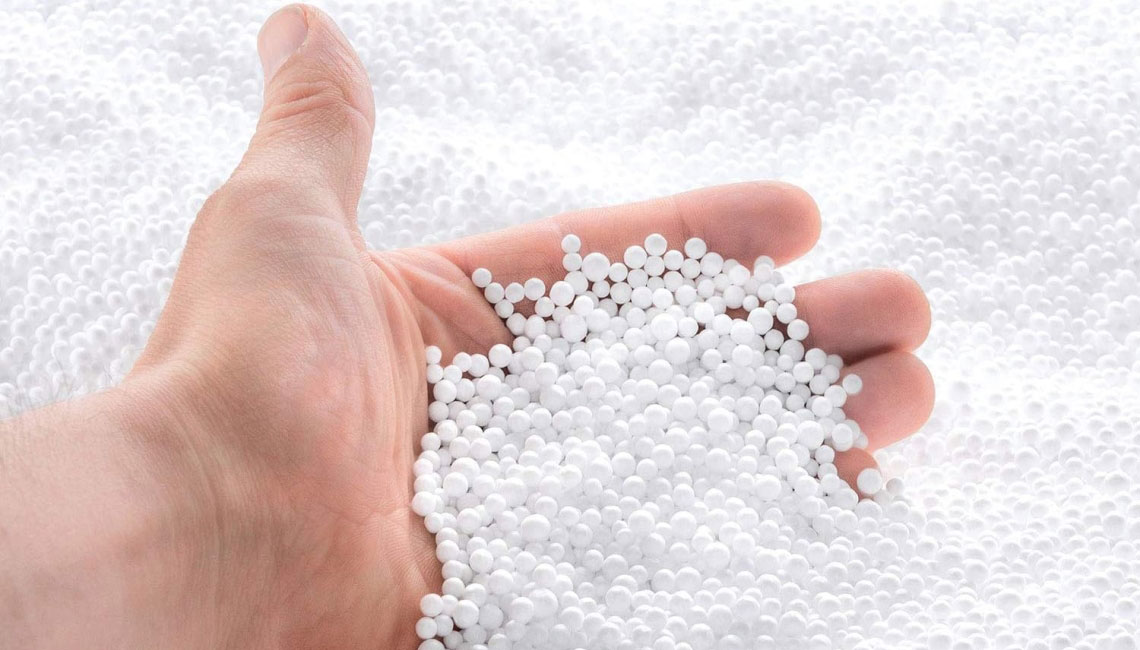

Reducing waste in an Expanded Polystyrene (EPS) molding operation is one of the most effective ways to lower operational costs and improve your environmental footprint. In the EPS industry, waste usually stems from improper fusion, energy inefficiencies, or inconsistent bead expansion.
Here is a guide on how to optimize your production line to minimize waste.
1. Optimize Pre-Expansion Density
The most common cause of waste is poor control during the pre-expansion phase. If the density of your expanded beads is inconsistent, your finished parts will either be structurally weak (requiring scrap) or overly dense (wasting material).
- Calibrate Sensors: Ensure your steam pressure and temperature sensors are calibrated weekly. Even a small deviation can lead to significant density drift.
- Implement Real-time Monitoring: Use automated pre-expander systems that adjust steam flow based on the temperature of the incoming raw material.
- Stabilization Time: Allow beads sufficient "aging" time in the silos. Beads that are molded too fresh often shrink or fail to fuse properly, leading to rejected parts.
2. Improve Fusion and Steam Management
Incomplete fusion is a major source of production scrap. If the steam penetration is uneven, the product will have "cold spots" that result in structural failure.
- Steam Probe Maintenance: Clean and inspect your steam probes/injectors regularly to ensure they are not clogged with resin buildup.
- Optimizing the Steam Cycle: Conduct a thorough cycle study. Often, manufacturers use more steam than necessary to "play it safe." By fine-tuning the steaming time and pressure, you can achieve better fusion while using less energy and preventing over-steaming, which causes bead collapse.
3. Enhance Mold Maintenance and Venting
If your mold cavities are not properly vented, air gets trapped, preventing the beads from filling the corners of the mold. This results in "short shots" or incomplete moldings.
- Clean Vents: Ensure your mold vents are free of EPS fines or debris. If air cannot escape, the material cannot occupy the space.
- Precision Tooling: Check for worn-out seals in the mold. Small gaps can cause "flashing" (excess material leaking out at the seams), which is pure waste that must be trimmed and processed later.
4. Implement a Closed-Loop Regrind System
Even with perfect processes, some scrap is inevitable (e.g., startup parts, flash, or defective pieces).
- Granulation: Invest in a high-quality granulator. Properly ground EPS waste can be reintroduced into the production line.
- The 10% Rule: Many manufacturers successfully incorporate up to 10–15% of regrind into their virgin EPS mix without sacrificing structural integrity. Ensure your mixing equipment provides a homogeneous blend so the regrind doesn’t create weak spots in the new product.
5. Proper Storage and Handling
EPS beads are sensitive to temperature and moisture. Improper storage can ruin a batch before it even reaches the machine.
- Moisture Control: Maintain a dry environment. Moisture on the surface of the beads interferes with expansion and fusion.
- FIFO (First-In, First-Out): Always use your oldest raw material first. EPS beads have a shelf life; once the blowing agent (pentane) starts to deplete, the expandability drops significantly, leading to poor-quality foam.