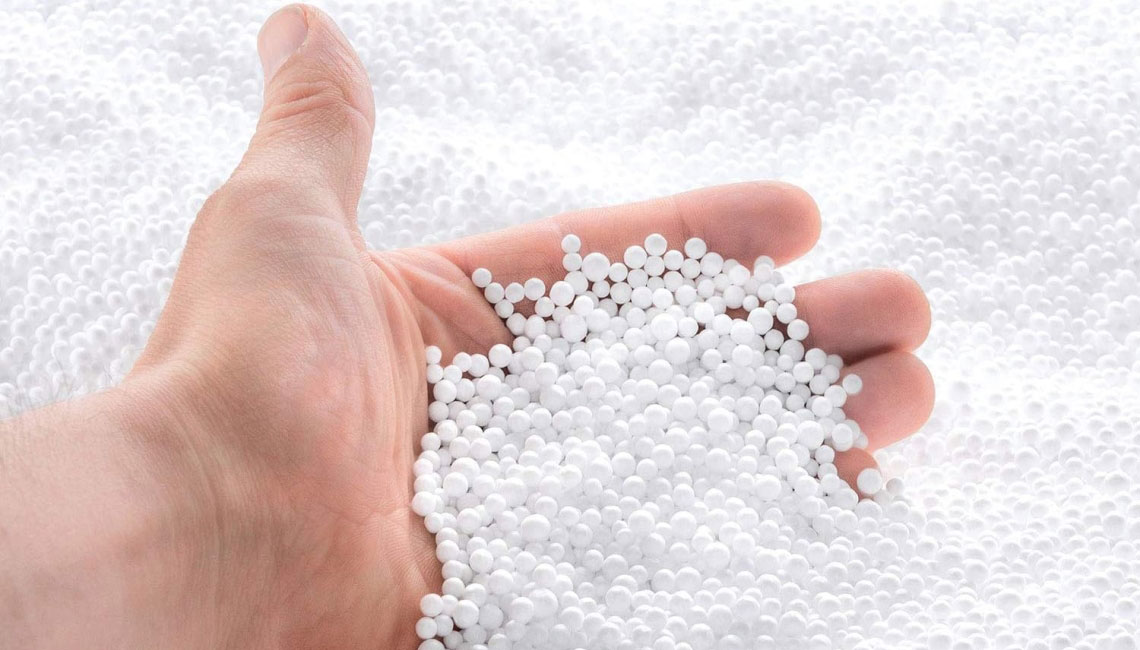

For decades, Expandable Polystyrene (EPS) has been the gold standard for protective packaging, building insulation, and cold-chain logistics. However, as the global industry shifts toward a circular economy, the narrative around EPS is evolving. As a leading supplier of EPS raw materials, we are witnessing an era of unprecedented innovation.
The future of EPS isn’t just about performance; it’s about sustainability. Here is how the next generation of raw materials and processing technologies are redefining our industry.
1. The Rise of Bio-Based EPS Raw Materials
One of the most exciting breakthroughs in the "Green EPS" movement is the development of bio-attributed beads.
- Renewable Feedstock:Instead of relying solely on fossil fuels, new production methods incorporate biomass—such as vegetable oils or organic waste—into the styrene monomer chain.
- Identical Performance:The beauty of bio-based EPS is that the chemical structure remains identical to traditional EPS. This means you can achieve the same expansion ratios and insulation properties without upgrading your existing production line.
2.Flame Retardants: The Shift to Polymeric Alternatives
Safety and environmental health are no longer mutually exclusive. The industry has successfully transitioned away from older flame retardants (like HBCD) toward Polymeric Flame Retardants (PolyFR).
- Ecological Safety:These modern additives are large molecules that are not "bio-available," meaning they do not leach into the environment or accumulate in living organisms.
- Regulatory Compliance:Using PolyFR-enhanced raw materials ensures your products meet the strictest global building codes and environmental standards.
3. High-Content Recycled EPS (rEPS)
The circular economy is becoming a reality through advanced "Mechanical" and "Chemical" recycling.
- Mechanical Recycling: We are now supplying raw materials that allow for a higher percentage of regrind content without sacrificing the structural integrity of the final molded product.
- Chemical Recycling:This "molecular" recycling breaks EPS waste back down into its original oil form. The result is a "virgin-quality" recycled resin that is even suitable for food-contact packaging—a feat previously thought impossible for recycled polystyrene.
4. Enhanced Thermal Efficiency (Grey EPS)
Sustainability also means reducing the carbon footprint of the buildings we live in. Graphite-enhanced (Grey) EPS is the future of the construction sector.
- Lower-values:By incorporating graphite particles into the raw bead, the material reflects radiant heat.
- Material Savings: Because Grey EPS is roughly $20\%$ more efficient than white EPS, you can achieve the same insulation rating with thinner boards, using less raw material to get the job done.
Why This Matters for Your Bottom Line
The "Future of EPS" is driven by market demand. Consumers and governments are increasingly favoring companies that prioritize eco-friendly materials. By sourcing sustainable raw materials today, you:
- 1. Future-proof your business against tightening environmental regulations.
- 2. Appeal to high-value clients who require LEED or BREEAM certifications
- 3. Reduce your carbon footprint across the entire product lifecycle.
Conclusion: Leading the Change Together
As your EPS raw material partner, we are committed to providing the innovations you need to stay competitive in a changing world. Sustainability is no longer a luxury; it is a core component of the modern manufacturing process.
Are you ready to transition to the next generation of EPS?
From bio-attributed beads to high-performance graphite EPS, we provide the raw materials that power the future. Contact our technical team today to learn more about our sustainable product range.